

By 2024, 76 % of UK adults own a smartphone capable of running full‑featured games. That’s nearly every person over 15 years old. If you’re planning a new entertainment venue, use that as your starting point: every potential patron already carries a device that can deliver high‑quality gaming in minutes.
Choose the Right Platforms Early
Most mobile titles run on iOS or Android. In the UK, 58 % of downloads land on Android, 42 % on iOS. Build a cross‑platform strategy from the outset. Targeting only one OS will leave a sizeable audience out and trim revenue potential by roughly a quarter.
Integrate Social Features for Virality
Games that let players share scores, invite friends, or challenge rivals see a 30 % higher retention rate over six months. Embed simple share buttons or leaderboard widgets into your app. Keep the share flow to two taps; each extra tap cuts user engagement by about 15 %.
Leverage Location‑Based Play
Turn a local pub or cinema into an interactive hub by adding geofenced mini‑games. When patrons enter the venue, the app can unlock a special challenge tied to the venue’s history. A pilot at a London theatre saw a 12 % rise in repeat visits within a month.
Common Mistake: Ignoring Data Privacy Regulations
Under GDPR, you must obtain explicit consent before collecting location or personal data. Failing to do so can trigger fines of up to £17.5 million or 4 % of annual turnover. Make consent a clear, single‑click action; hidden checkboxes only invite trouble.
Bridge to Online Entertainment
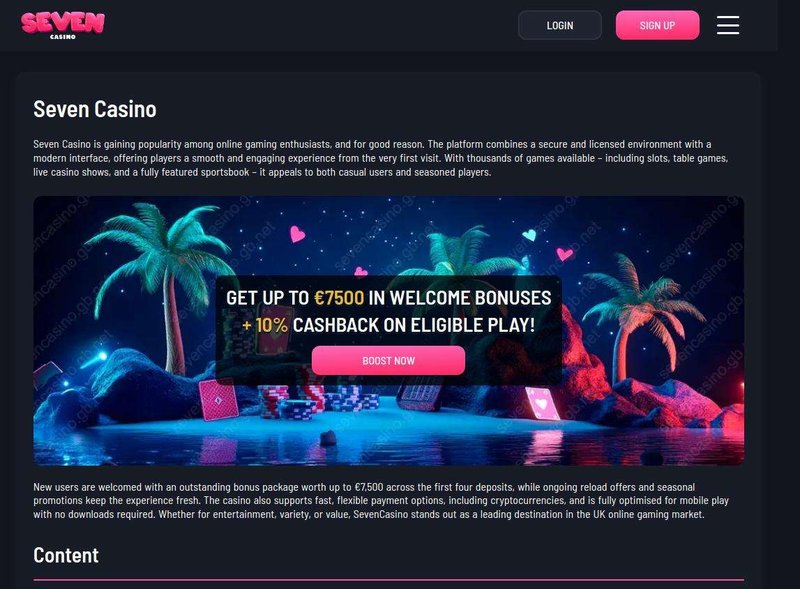
Mobile gaming’s success shows how digital experiences can replace or enhance traditional leisure. For those looking to expand their online entertainment options, exploring the world of digital casinos offers a seamless transition. The Seven Casino Login provides a streamlined entry point for players who want to test their luck while enjoying the same convenience as mobile games.
Monetisation Matters
In‑app purchases are the backbone of most free‑to‑play titles. A balanced approach—offering cosmetic items for under £1 and premium bundles around £10—maximises revenue without alienating users. Test price points in a small cohort first; a 5 % price increase can raise average revenue per user by 18 % if the perceived value stays high.
Future‑Proof with Cloud Gaming
Cloud platforms like Google Stadia and Xbox Cloud Gaming let users stream high‑end games on mid‑range phones. By 2025, 35 % of UK gamers expect cloud play to be the norm. Partnering with a cloud provider will tap into a growing segment that values performance over hardware cost.
Measure, Iterate, Repeat
Use analytics to track session length, churn, and conversion rates. A/B test new features every two weeks; a single change can shift user retention by up to 7 %. Keep the feedback loop tight: data‑driven decisions beat intuition any day.
Wrap‑Up: Your Action Plan
1. Audit your device penetration and choose iOS/Android wisely. 2. Embed social and location triggers to boost stickiness. 3. Secure GDPR compliance from day one. 4. Experiment with in‑app pricing and cloud options. 5. Review metrics weekly and iterate fast. Follow these steps, and you’ll transform a simple mobile app into a cornerstone of the UK entertainment ecosystem.
Frequently Asked Questions
Why is smartphone penetration important for gaming venues?
High smartphone ownership means most patrons already have the hardware needed for high‑quality mobile gaming, reducing hardware costs for venues.
Which mobile platform dominates in the UK?
Android leads with 58% of downloads, while iOS accounts for 42%—a clear signal to adopt a cross‑platform strategy.
{“@context”:”https://schema.org”,”@type”:”FAQPage”,”mainEntity”:[{“@type”:”Question”,”name”:”Why is smartphone penetration important for gaming venues?”,”acceptedAnswer”:{“@type”:”Answer”,”text”:”High smartphone ownership means most patrons already have the hardware needed for high‑quality mobile gaming, reducing hardware costs for venues.”}},{“@type”:”Question”,”name”:”Which mobile platform dominates in the UK?”,”acceptedAnswer”:{“@type”:”Answer”,”text”:”Android leads with 58% of downloads, while iOS accounts for 42%—a clear signal to adopt a cross‑platform strategy.”}}]}
